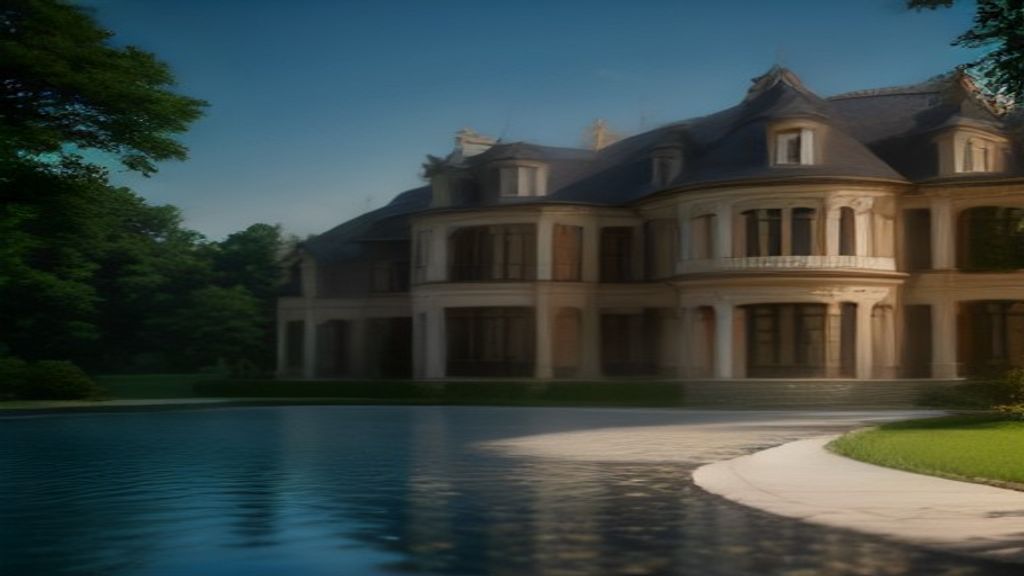
How to Spot the Most Opulent Luxurious House in the World
Introduction
When a property whispers “global elite,” it does more than flaunt a price tag—it tells a story through stone, light, and the subtle language of design. If you’ve ever stood before a soaring façade and wondered whether it truly belongs to the pantheon of world‑class residences, you’re not alone. In the next few minutes we’ll break down the concrete clues—architectural, interior, and locational—that separate a genuine masterpiece from a well‑styled showpiece. Think of it as a detective’s notebook for the ultra‑wealthy: each entry helps you read the house, not just admire it.
1. Uncover the Signature Architectural Elements That Signal Global Luxury
Luxury architecture rarely relies on gimmicks; it leans on timeless principles that have earned the respect of architects across continents. Here’s what you should be scanning for:
- Monumental Scale with Proportionate Rhythm – Grand staircases, double‑height entryways, and a façade that balances mass with void. The key is harmony, not sheer size; a 30‑meter column feels regal when spaced to echo classical orders.
- Rare Materials Hand‑Selected for Provenance – Marble from Carrara, hand‑cut Tuscan limestone, or reclaimed teak sourced from specific farms. Professionals often cite the material’s origin as a quality metric because supply chains for these stones are traceable and limited.
- Integrated Landscape Architecture – When the building flows into gardens, water features, or terraced vineyards, it signals a design intent that values continuity. Renowned firms such as Foster + Partners treat grounds as “living extensions” of the structure.
- Custom Structural Innovations – Cantilevered wings, retractable glass walls, or hidden elevators that blend into the interior narrative. These solutions usually require collaboration with specialist engineers, a hallmark of projects that exceed typical residential budgets.
Why it matters: These elements reveal the level of investment, both financial and intellectual, that a developer has poured into the project. A house that merely “looks” grand often lacks the engineered depth that persists under scrutiny.
2. Decode Interior Design Cues: From Custom Finishes to Art‑Level Fixtures
Inside the walls, the language of opulence becomes intimate. Spotting genuine luxury hinges on three intertwined layers:
- Bespoke Finishes Over Off‑The‑Shelf Selections – Hand‑molded plaster ceilings, in‑house‑crafted cabinetry, or bespoke metalwork. When a client’s name appears on a finish schedule, you can be confident the piece was commissioned specifically for that residence.
- Art‑Level Fixtures and Fixtures – Lighting that is designed in collaboration with studios like Flos or Artemide, often limited to a few dozen units worldwide. These pieces are documented in design portfolios and sometimes displayed in museum exhibitions, underscoring their cultural weight.
- Curated Art Collections Integrated Into the Space – A gallery‑grade painting positioned on a wall that has been structurally reinforced for extra weight, or a sculpture that dictates the room’s circulation path. Such integration is usually overseen by a professional art consultant who ensures the visual and physical harmony of the installation.
How to verify: Request the interior specification sheet—or, if you’re browsing online, look for detailed close‑ups that show hand‑etched hardware, hand‑woven textiles, or signature stamps on furniture. These details survive the compression of digital images and often appear in the background of high‑resolution property tours.
By understanding these cues, you move from mere admiration to an evidence‑based assessment of whether a home truly belongs to the uppermost tier of global luxury.
3. Read the Land & Location Code: Why Prestige Addresses Matter
A mansion’s street name often reads like a résumé. In the world of ultra‑luxury, the address itself signals exclusivity before a single square foot is even measured.
- Neighborhood pedigree – Think Palm Jumeirah’s private islands, Beverly Hills Gates, or the Lake Como villages. These enclaves are gated, heavily policed, and carry a history of royalty, diplomats, and legacy families. When a property sits within such a corridor, high‑end real‑estate companies will instantly flag it as “prime‑tier” because the surrounding social cachet is impossible to fabricate.
- Proximity to cultural anchors – A residence that overlooks the Hagia Sofia dome, borders the Mona Lisa’s home museum, or sits steps from a private tennis club adds intangible value. Buyers often pay a premium for the ability to host gala‑type events on a terrace that frames a world‑renowned landmark.
- Privacy & top‑down security – Elite addresses usually feature layered security: underground barriers, biometric gate access, and satellite‑linked monitoring. The degree of seclusion can be quantified by the number of access points versus the size of the lot; fewer points mean higher control, a metric that seasoned agents use when advising clients who are buying a house in the ultra‑luxury segment.
How to verify the prestige code
- Scan municipal records for land‑use restrictions—many luxury districts limit commercial activity, ensuring a quiet, residential atmosphere.
- Look for listings handled exclusively by reputable high‑end real‑estate companies; their marketing packets often include a “neighborhood pedigree” sheet that outlines historic owners and notable nearby institutions.
- Cross‑reference the address with global wealth‑index publications (e.g., Wealth‑Insight or Knight Frank’s luxury‑property reports). Repeated mentions confirm the address’s standing in the market.
By decoding these location clues, you move from admiration to a concrete assessment of whether a property truly earns its “most opulent” badge.
4. Gauge the Scale of Exclusivity: Private Amenities That Set a Luxurious House Apart
Once the land and address have earned their stripes, the next litmus test is the house’s private amenities. These are the features most buyers cannot simply “add later” without compromising the original architectural intent.
- Transport‑centric facilities – A helipad concealed behind a retractable roof, a private runway, or a multi‑level underground garage that can house a fleet of exotic cars are hallmarks of true exclusivity. For example, the Kensington Estate in London boasts a discreet, 30‑meter‑long landing pad that can accommodate a Bell 412 heli‑craft, allowing the owner to bypass the city’s traffic altogether.
- Wellness & leisure suites – A climate‑controlled wine cellar holding over 5,000 bottles, a spa with a salt‑water pool, and a fully staffed gym with equipment sourced from Technogym are not merely upgrades—they are integral to the home’s identity. In the Malibu villa owned by a tech magnate, a 30‑meter infinity pool is paired with a private surf‑simulation chamber, a niche amenity that only a handful of properties worldwide can claim.
- Entertainment chambers – Private cinemas with 12‑seat recliners, acoustically tuned walls, and a projection system rivaling boutique theatres; a poker room equipped with a custom‑crafted table of ebony and mother‑of‑pearl; or a subterranean art gallery with climate‑controlled lighting. These spaces are often designed in collaboration with specialist firms like Lutron or Meyer Sound, ensuring the experience feels curated rather than commercial.
Actionable checklist for spotting amenity scale
| Amenity Category | Key Indicator | Typical Luxury Benchmark |
|——————|—————|————————–|
| Transport | Presence of helipad, runway, or multi‑deck garage | Helipad → at least 15 m², runway → 1 km length, garage → >10 cars |
| Wellness | Dedicated climate‑controlled wine cellar, spa pool, gym | Wine cellar → 300 sq ft+, spa pool → depth ≥ 1.5 m |
| Entertainment | Custom cinema, private gallery, or specialized game rooms | Cinema → 120 in. screen + surround sound, gallery → UV‑filtered glass |
| Staffing | On‑site quarters for chefs, butlers, security | Staff quarters → separate wing with independent utilities |
When evaluating a property, request the amenities specification sheet—the document that high‑end real‑estate companies use to market the home’s “unique selling points.” If the sheet lists bespoke items (e.g., a “hand‑blown Murano chandelier in the master suite”) rather than generic fixtures, you’re likely looking at an estate that genuinely pushes the envelope of opulence.
By drilling down into these private features, you can separate the truly one‑of‑a‑kind palaces from the merely well‑finished mansions, ensuring the house you deem “the most luxurious” stands up to the highest standards of exclusivity.
Also Read: Choose the Right Home Building Companies to Cut Costs & Save Time