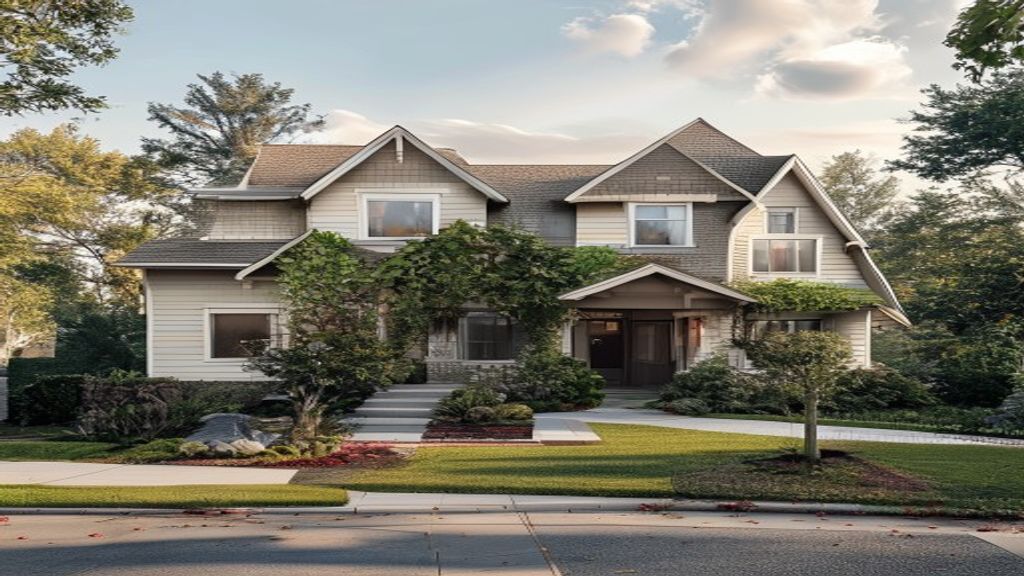
Introduction – Why the Hunt for a New Property for Sale Feels Like a Secret Mission
You’ve probably walked past dozens of “just listed” signs, only to hear the same property disappear before you can even schedule a showing. That frustration isn’t random—it’s the result of a market that rewards speed and insider knowledge. When a development is fresh off the blueprint, the pool of buyers is smaller, the competition is tighter, and the incentives for sellers are radically different from those driving a resale home. The good news? With the right tactics, you can turn that fleeting window into a reliable advantage.
1. Why “New Property for Sale” Deserves a Different Hunt Than Existing Listings
- Market shifts create a gold‑mine for early movers.
New construction often arrives at a time when inventory is thin and demand is high—think post‑pandemic urban revitalization or suburban spill‑over after a major employer expands. Because the supply is limited, developers price aggressively at the outset, banking on the excitement of a fresh project rather than a long‑term price war.
- Buyer psychology flips the script.
First‑time homebuyers and investors alike are drawn to the promise of “brand‑new.” They picture modern layouts, energy‑efficient systems, and the freedom to customize finishes. That optimism translates into quicker decision‑making, which means the window between a listing going live and it being under contract can shrink to a matter of days.
- Seller motivation is a different animal.
For developers, the primary goal is cash flow: they need to sell units fast to fund the next phase of construction. This urgency often manifests as flexible financing, limited‑time upgrade packages, or even price incentives that rarely appear in the resale market. Understanding that motivation helps you negotiate from a position of insight rather than guesswork.
In short, hunting a new property for sale is less about sifting through stale listings and more about aligning with the rhythm of a project that’s just beginning its life.
2. Strategy #1 – Leverage Real‑Time Data Streams to Catch Listings Before They Hit the Market
Why real‑time data matters
When a building permit is approved, the developer’s timeline moves from “concept” to “construction.” That moment is often the earliest reliable indicator that a new unit will soon be on the market. By tapping into those data streams, you can position yourself hours—or even days—ahead of the typical buyer who relies on standard MLS alerts.
Step‑by‑step playbook
- Set up automated alerts on multiple fronts.
– MLS & agency portals: Use the “New Construction” filter and enable instant email or push notifications.
– Niche platforms: Sites like Builder’s Direct or local developer portals often publish pre‑launch units before they reach the MLS.
– Community feeds: Subscribe to city GIS portals for permit filings, zoning changes, and land‑use announcements.
- Tap into pre‑listing sources.
– Construction permits: Most municipalities post them online; a simple search for “residential permit” plus the target ZIP code can reveal upcoming projects.
– Zoning applications: These documents outline the size, density, and intended use of a development, giving you a heads‑up on what will eventually appear as a “new property for sale.”
– Developer news feeds: Follow the social media accounts and press releases of builders active in your area; they often announce groundbreaking ceremonies weeks before units become market‑ready.
- Real‑world example:
Emma, a first‑time buyer in downtown Austin, subscribed to the city’s permit feed and received an alert the day a 12‑unit condo project received approval. She reached out to the lead sales agent within 48 hours, toured a model unit, and placed an offer before the developer even uploaded the listings to the MLS. The result? She secured a unit at the launch price, saving roughly 7 % compared to the price that surfaced three weeks later.
By stitching together these data sources into a single dashboard—think a simple spreadsheet or a dedicated real‑estate aggregator—you create a live “early‑bird” feed that turns speculation into actionable intel. The key is consistency: check the feeds daily, set up keyword alerts, and keep a running list of projects that align with your budget and location preferences.
Bottom line: Real‑time data isn’t just a tech gimmick; it’s the modern equivalent of having a “for‑sale‑by‑owner” whisper in your ear before the sign even goes up. With the right alerts and a disciplined routine, you’ll be the buyer who knows about the new property for sale before anyone else does.
3. Strategy #2 – Build a Direct Relationship with Developers and Agent Insiders
Identify the right players – Start by mapping the developers who are actively breaking ground in your target neighbourhood. A quick search of recent building permits, city‑issued “certificate of occupancy” notices, and local industry newsletters will give you a shortlist. Next, match each developer with their lead sales agent; the two often work hand‑in‑hand, and the agent can be your shortcut to early‑access units.
Show up where the insiders gather – Launch parties, virtual webinars, and preview open‑houses are more than marketing fluff; they are networking hubs. When you attend, come prepared with a concise “elevator pitch” that states your budget range, timeline, and the type of unit you’re after. For example, saying, “I’m ready to put down a 10 % earnest money deposit next month for a 2‑bedroom condo in the downtown core,” signals seriousness without sounding pushy.
Speak the language of value – Developers love buyers who understand residential property valuation. Mentioning the projected appreciation of the micro‑market or asking about the builder’s warranty coverage demonstrates that you’ve done your homework. In one recent case, a buyer asked the lead agent, “How does the projected 4 % annual growth align with the community’s walk‑score and upcoming transit upgrades?” The agent replied with a detailed justification and immediately placed the buyer on the priority list.
Keep the connection warm – After the first meeting, send a brief, friendly follow‑up email that references a specific detail you discussed (e.g., the planned rooftop garden). Add a calendar reminder to check in every two weeks, even if only to ask about new floor‑plan releases. Over time, you’ll become the go‑to contact when the developer’s team needs a qualified buyer, and you’ll hear about luxury real estate for sale before the public listings appear.
4. Strategy #3 – Conduct a “Future‑Fit” Walk‑Through Before You Commit
Start with neighborhood trend analysis – Pull the latest walk‑score, transit‑project timelines, and school‑rating data for the area surrounding the new development. If a new light‑rail line is slated to open within two years, properties nearby often see a 5‑10 % uplift in residential property valuation. Combine this macro view with micro observations, such as nearby grocery‑store openings or park renovations, to gauge long‑term desirability.
Apply the rapid “5‑Question Check”
- Finish quality – Walk the model unit and inspect tile seams, cabinet hardware, and window caulking. A cheap finish today can become an expensive repair down the line.
- Amenities & community vibe – Tour the shared spaces (gym, lounge, rooftop) and ask current residents about noise levels and management responsiveness.
- Resale flexibility – Clarify the builder’s policy on early resale, lease‑back options, and any HOA restrictions that could affect future liquidity.
- Hidden costs – Ask for a detailed breakdown of HOA fees, utility projections, and any mandatory upgrades that were not included in the base price.
- Future‑fit potential – Evaluate whether the unit’s layout can accommodate future family growth or home‑office needs without costly remodels.
Real‑world case snapshot – A family of four was eyeing a newly‑constructed townhouse that boasted a sleek façade and a “smart‑home” package. During their walk‑through, they noticed that the developer’s site plan included a planned road‑work project directly behind the building, which the sales brochure omitted. By asking the agent about upcoming municipal projects, they uncovered a $12,000 paving cost that would be passed to homeowners as a special assessment. Armed with that insight, they walked away and later purchased a comparable unit in a different complex, saving both money and future hassle.
Make the assessment tangible – Create a simple spreadsheet that scores each of the five questions on a 1‑5 scale. Add a column for “potential upside” based on neighborhood trend data. When the total score exceeds your preset threshold, the property is a green light; if not, keep searching. This disciplined approach transforms a gut feeling into a data‑backed decision, ensuring that the new home you lock in will still feel right five, ten, or even fifteen years down the line.
Also Read: Discover the Most Luxurious House in the World and Its Investment Edge